Design Constraints That Shape Color Prediction Game Logic
Color prediction games have emerged as a popular form of casual entertainment, blending chance, anticipation, and simple mechanics into engaging experiences. At first glance, these games may appear straightforward: players predict which color will appear next in a sequence. Yet beneath the surface lies a complex web of design constraints that shape the logic of these games. These constraints influence fairness, usability, engagement, and even the psychological appeal of the gameplay. Understanding them provides insight into why color prediction games function the way they do and how designers balance creativity with structure.
The Constraint of Randomization
One of the most fundamental constraints in color prediction games is the requirement for randomness. The logic must ensure that outcomes are unpredictable to maintain fairness and excitement. If players detect a pattern that consistently leads to correct predictions, the game risks losing its integrity. Designers often rely on algorithms such as pseudo-random number generators to create sequences that appear random while still being computationally feasible. The constraint here is balancing unpredictability with transparency, ensuring that players trust the system without suspecting manipulation.
Probability and Outcome Distribution
Closely tied to randomization is the constraint of probability distribution. Designers must decide how often each color appears within a given timeframe. If one color appears disproportionately, players may perceive bias, leading to dissatisfaction. On the other hand, perfectly equal distribution can feel artificial, as randomness in real life often produces streaks and anomalies. The logic must therefore simulate natural randomness while maintaining statistical fairness. This constraint shapes how outcomes are generated and how players experience the game over repeated rounds.
User Interface and Accessibility
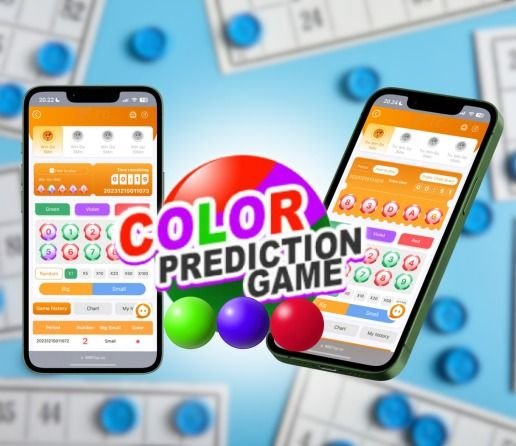
The logic of color prediction games is also constrained by the design of the user interface. The interface must be simple enough for players to understand instantly, yet robust enough to handle multiple predictions and outcomes. Colors must be displayed clearly, avoiding combinations that cause confusion or accessibility issues for players with color vision deficiencies. This constraint forces designers to consider not only the logic of prediction but also the visual clarity of the game. The choice of colors, their contrast, and their arrangement directly influence how players interact with the logic.
Timing and Pacing Constraints
Another critical constraint is timing. Prediction games rely on cycles of anticipation and resolution. If the pacing is too slow, players may lose interest; if it is too fast, they may feel overwhelmed. Designers must carefully calibrate the timing of predictions, countdowns, and results to sustain engagement. This constraint shapes the logic by determining how quickly outcomes are generated and how much time players have to make decisions. The rhythm of the game becomes a structural element that influences both enjoyment and fairness.
Reward Structures and Risk Management
Color prediction games often incorporate reward systems, whether in the form of points, tokens, or monetary incentives. The logic must account for how rewards are distributed and how risk is managed. If rewards are too generous, the game may become unsustainable; if they are too scarce, players may disengage. This constraint requires designers to integrate mathematical models that balance risk and reward, ensuring that the game remains appealing while protecting its long-term viability.
Regulatory and Ethical Constraints
In many regions, color prediction games intersect with gambling regulations. Designers must ensure that the logic complies with legal standards, which may dictate how randomness is verified, how outcomes are reported, and how rewards are structured. Ethical considerations also play a role, as designers must avoid exploiting players through manipulative mechanics. This constraint shapes the logic by imposing boundaries on how outcomes are generated and how players are incentivized to continue playing.
Psychological Engagement Constraints
Finally, the logic of color prediction games is constrained by the need to sustain psychological engagement. Humans are naturally drawn to patterns, even in random sequences. Designers must account for this tendency by creating logic that feels unpredictable yet still offers moments of perceived control. This constraint influences how streaks, near misses, and outcome sequences are presented. The goal is to keep players engaged without misleading them into believing that outcomes are anything other than random.
Conclusion
Color prediction games at daman login may appear simple, but their logic is shaped by a complex set of design constraints. Randomization, probability distribution, user interface clarity, timing, reward structures, regulatory compliance, and psychological engagement all play critical roles in determining how these games function. Each constraint imposes boundaries that guide designers toward creating experiences that are fair, engaging, and sustainable. By understanding these constraints, one can appreciate the intricate balance between simplicity and complexity that defines color prediction game logic.