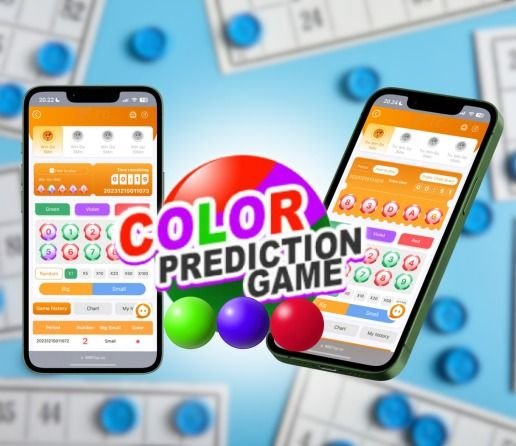
Understanding Player Drop-Off Points in Online Color Prediction Games
Online color prediction games have become a popular form of digital entertainment, attracting players with their simplicity, accessibility, and fast-paced outcomes. Despite their appeal, platforms often face the challenge of player drop-off, where individuals disengage and stop participating. Understanding these drop-off points is essential for improving user experience, sustaining engagement, and ensuring long-term success. Drop-off points are not random; they are shaped by psychological, technical, and structural factors that influence how players interact with the game.
The Onboarding Phase
One of the earliest drop-off points occurs during onboarding. New players may be intrigued by the concept of color prediction but quickly lose interest if instructions are unclear or the interface feels confusing. A lack of transparency about rules or payout structures can discourage users from continuing. Onboarding is critical because it sets the tone for the entire experience. If players feel uncertain or overwhelmed at this stage, they are unlikely to return. Platforms like apk download that fail to provide smooth onboarding often see high abandonment rates within the first few sessions.
Technical Glitches and Reliability Issues
Technical problems are another major contributor to player drop-off. Slow loading times, server errors, or inconsistent outcome displays can frustrate users and erode trust. In games where results are revealed quickly, even minor delays can disrupt the sense of excitement. Reliability is central to sustaining engagement, and players who encounter repeated glitches often disengage permanently. Drop-off at this stage reflects not only dissatisfaction but also a loss of confidence in the platform’s credibility.
Perceived Lack of Fairness
Fairness is a cornerstone of player trust, and perceived unfairness is a significant drop-off point. When players suspect that outcomes are manipulated or that randomness is compromised, they are likely to disengage. Even if the system is fair, poor communication about how results are generated can create doubts. Transparency in explaining randomness and payout structures is essential to prevent drop-off caused by skepticism. Players who feel the game is unfair rarely return, as trust once broken is difficult to rebuild.
Emotional Fatigue and Losses
Color prediction games are designed to evoke strong emotions, from the thrill of winning to the frustration of losing. However, continuous losses or prolonged streaks of disappointment can lead to emotional fatigue. Players may disengage when the excitement turns into stress or when they feel trapped in cycles of loss. Drop-off at this stage reflects the psychological toll of repeated negative experiences. Without mechanisms to encourage responsible play or provide emotional balance, platforms risk losing players who might otherwise remain engaged.
Lack of Variety and Innovation
Another common drop-off point arises when players feel the game has become repetitive. Color prediction games thrive on simplicity, but without variety or innovation, the experience can quickly feel monotonous. Players disengage when they no longer find novelty or challenge in the platform. Drop-off here is not caused by dissatisfaction with fairness or reliability but by boredom. Sustaining engagement requires introducing new features, modes, or rewards that keep the experience fresh.
Financial Strain
Financial considerations also play a role in player drop-off. When players experience significant losses or feel pressured to spend more than they can afford, they often disengage. Financial strain creates stress and diminishes enjoyment, leading to permanent abandonment. Drop-off at this stage reflects the intersection of entertainment and responsibility. Platforms that fail to address financial accessibility risk alienating players who might otherwise remain loyal.
Conclusion
Player drop-off in online color prediction games is shaped by multiple factors, including onboarding challenges, technical glitches, perceived unfairness, emotional fatigue, lack of variety, and financial strain. Each drop-off point reflects a moment where the player’s experience no longer aligns with their expectations or comfort. Understanding these points is essential for platforms seeking to improve retention and credibility. By addressing the causes of disengagement, developers can create environments that sustain excitement while promoting fairness and responsibility. Ultimately, reducing drop-off is not about eliminating risk or randomness but about ensuring that players feel valued, supported, and engaged throughout their journey.